
Meditation is a practice that’s seen a huge surge in popularity recently and it’s no mystery as to why. After the last year and a bit that we’ve been through, many of us have spent some time working on improving our mental states and doing some well-deserved introspection.
Meditation isn’t easy, however. Getting the most out of your meditative state requires a certain clearness of mind that can be somewhat elusive – especially if you’re prone to wandering. Luckily, there are a few things you can try that might entirely transform your meditative process, or even your entire relationship with mindfulness.
Practicing mindfulness is something we can all benefit from, no matter what age or gender you might be. With that in mind, here are a handful of helpful tricks that might help you form that connection with meditation that might just change your life.
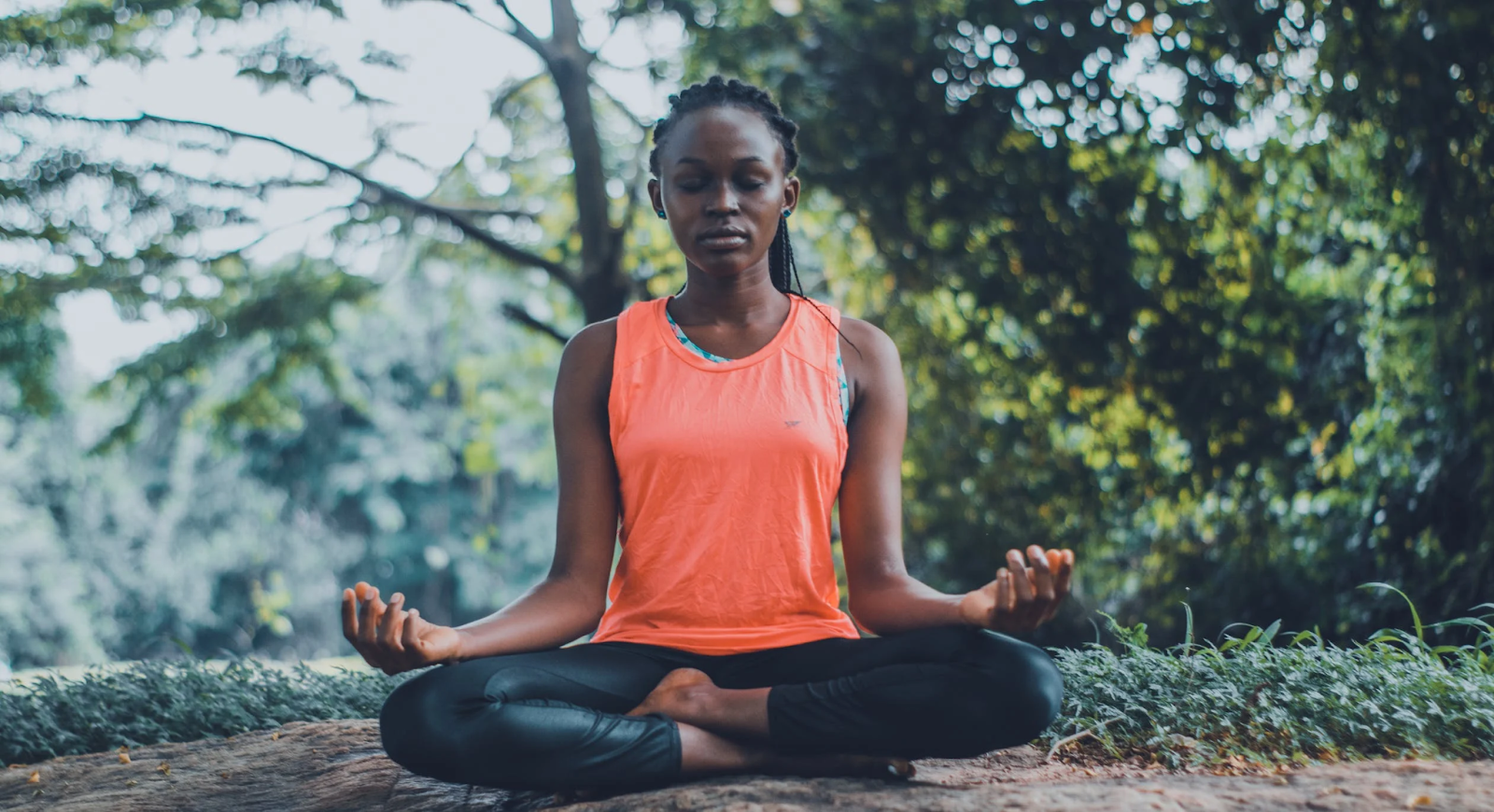
Image by Oluremi Adebayo on Pexels
1. Carry out a mundane task in the meantime
Have you ever been in the middle of a routine task and found your body on autopilot while your brain’s checked out? That might be the key to finally helping you get some mindfulness in.
For a lot of people who want to get started with meditation but might not know where to start, the silence and stillness of the routine can be quite imposing. Not many of us relish the opportunity to sit quietly with nothing to do; that’s when the boredom and frustration might start to creep in. Any meditative practice that inspires negative feelings is – as you might guess – counterproductive and should be avoided at all costs.
Giving your hands something to fidget with can help guide your mind into a comfortable state more inclined to relaxing. Consider utilising a fidget toy or similar sort of gadget that doesn’t require much mental attention to use.
2. Try giving yourself a tarot reading
While this one might require some homework before you’ve got it figured out fully, the end result can be incredibly rewarding. Tarot reading might even change the way you view yourself and the world around you.
Tarot reading is a practice that was developed in the 1430s in Italy. The art of tarot denotes the practice of dealing a deck of 78 specialised tarot cards, and closely examining (or ‘reading’) the resultant narrative that emerges from the draw. Each card is unique and has a distinct set of properties, emotions, and symbols attached to it.
If you take the time to get a feel for the individual cards’ various meanings (which isn’t as hard as it seems – there’s a pattern to it that can be taught) you can start to draw cards for yourself.
Historically, tarot was thought of as a tool for telling the future. Whether you believe in the possibility of fortune telling or not, tarot is actually an incredibly useful tool for you to pause and reflect on your life. As the various images of the deck present themselves to you, it’s interesting to see what your brain thinks of in response. It can help you identify areas of your life you might not be satisfied with, and even help to illuminate some paths you hadn’t previously considered as possible.
3. Use visual stimuli
Giving your eyes something to focus on that doesn’t require the help of the brain can be a great method of helping your mind slip into the state of relaxation necessary to truly get the most out of meditation. Finding some ambient visuals can help alleviate some of the restlessness that many people feel when they first decide to give meditation a try.
If you engage your eyes by watching a piece of repetitive visual stimulus, your brain might find it easier to let go of some of the latent stress you might be carrying with you.
As we go about our daily lives, we don’t even realise the level of tension we may be holding on to. Meditation is the key to easing some of that burden, and visuals might be the step needed to help it go to the next level.
4. Listen to ambient noise
Ambient noise has the ability to completely transport you to another place mentally. If the silence aspect of meditation is something that you might struggle with, then this is something to strongly consider. Sometimes, when we’re presented with a scenario with a lack of stimulation (audio, visual, or otherwise) we can respond with an automatic level of unease – the opposite of what we want when we’re meditating.
There’s nothing wrong with playing some rain or ocean sounds in the background to soften the harsh environment a little bit. That being said, it’s often best to stay away from music as this can start to stray into the territory of distraction. At the end of the day, if you’re focusing on your meditation, you should avoid surrounding yourself with any other input that’s likely to ground you in the physical world.
White noise machines can also be useful for this purpose, as they can remove the discomfort of complete silence without relying on environmental noise like rain, which some might still find distracting.
Ultimately, give a few options a try until you find something that clicks for you. Everyone is different, which means there are no one-size-fits-all solutions. Give it enough time, and eventually you’ll make a breakthrough that’ll help you learn more about yourself.
5. Don’t put unnecessary pressure on yourself!
It’s important not to let this be the pinnacle of your self care. There are a huge number of ways to treat yourself – if meditation doesn’t work for you, give other methods of self-care a try!
Consider taking up a new hobby, buying yourself a new treat, or trying lucky charms. As with all things, if you proceed with caution and do what’s best for your body, you’ll find that your mindset will improve. It may take some time, effort, and dedication but it’ll be worth it in the end.

Did you enjoy this article? Download your FREE copy of LGBT fantasy short story It’s Complicated (The Redcliffe Novels) and meet the werewolves of Cornwall, England. Click here.
Note: This is a collaborative article.


 SpookyMrsGreen