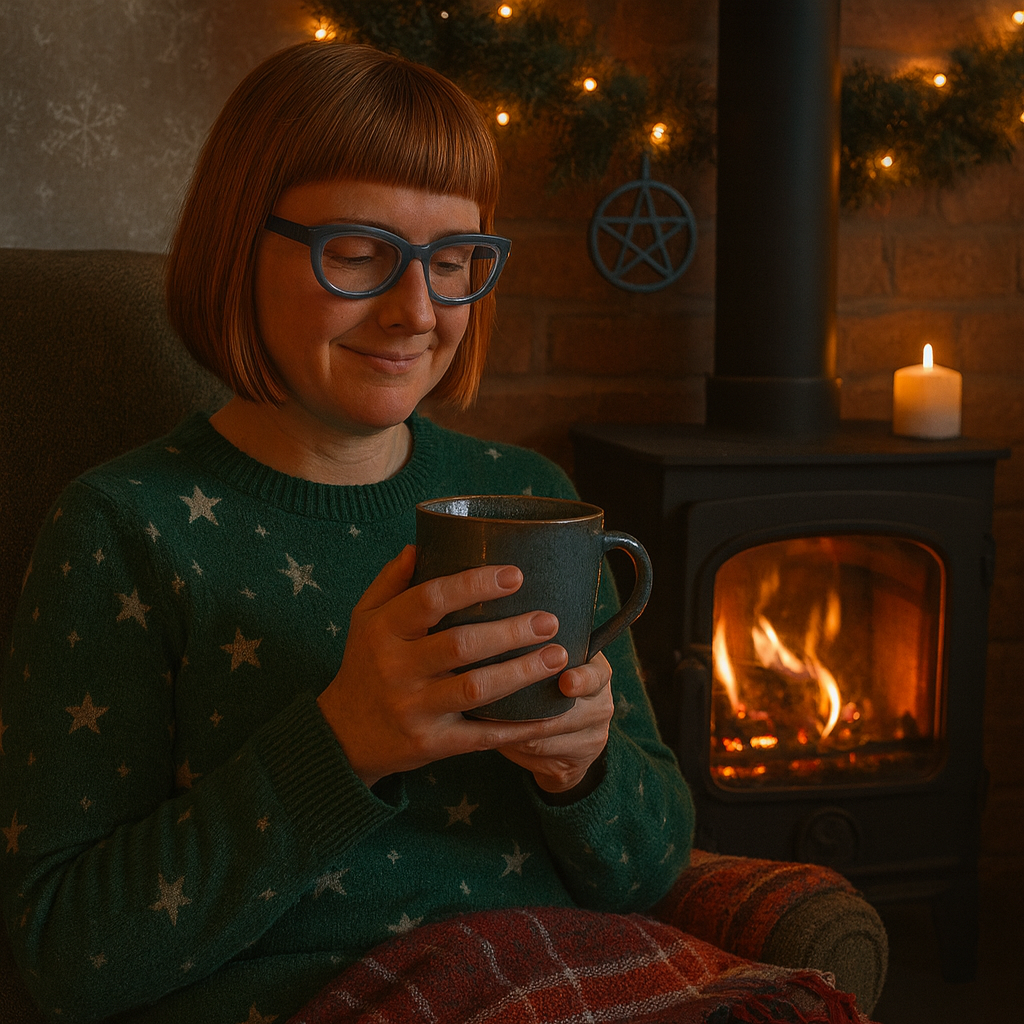
There is something deeply comforting about December. The darker evenings invite us to slow down, light a candle, wrap ourselves in blankets, and finally give in to the ever-growing pile of books that have been patiently waiting for their moment. And yes… my favourite subject has returned to the blog today: books.
It’s been a little while since I last shared a bookish post here on SpookyMrsGreen, but as the year winds down, it felt like the perfect time to revisit my reading life and share what’s currently filling my shelves, bedside table, and Kindle. Consider this my festive confession: I have a lot to read… and I wouldn’t have it any other way.

What I’m Reading Right Now
At the moment, I’m immersed in Paper Trail by Lyndon Haynes, a gripping read that has quickly become my companion during stolen moments of quiet. It’s one of those books that lingers in the back of your mind when you’re away from it, which is always a good sign.
Meanwhile, my Kindle is quietly judging me from the side-lines, already queued with some powerful non-fiction. Next up are:
- After the Injection: A Memoir of Survival and Resistance by Angeline Moyo
- He Said He’s Sorry: Carving Through Insanity by Wayne Warrender
Both are intense, reflective reads that I know will require emotional space and time – the kind of books that make you pause, breathe, and process. December feels like the right moment for that kind of reading too.
Charity Shop Temptations (Because I Have No Self-Control)
Of course, no reading list would be complete without a few impulse buys… especially when charity shops are involved. I mean, I needed them, right?
One book I absolutely could not leave behind was Death Trap by Alexandra St Pierre. This dark bully paranormal romance comes with trigger warnings and a bold aesthetic that BookTok readers will instantly recognise and adore. The design alone is stunning – the kind of book that begs to be photographed, styled, and featured in reels and videos. I already know this one will be making an appearance on my social feeds, and I cannot wait to dive in.
I also added a couple of intriguing true crime titles to my collection:
- Blood on the Tracks: A History of Railway Crime in Britain by David Brandon and Alan Brooke – a fascinatingly niche subject that immediately caught my attention.
- The Five: The Untold Lives of the Women Killed by Jack the Ripper by Hallie Rubenhold – a truly beautiful hardback edition that now sits proudly on my Gothic bookshelf. It feels like a book to be read slowly and respectfully, and it looks utterly perfect alongside my darker titles.

Where I Find (and Recommend) My Books
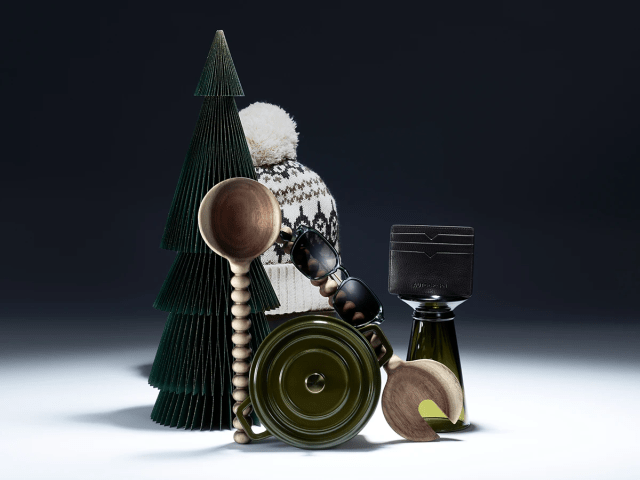
If you love the books I review here on the blog, you’ll be pleased to know that most of them can be found at Waterstones. Their Christmas shop is a dream for book lovers, packed with bestsellers, popular titles, and beautiful editions that make perfect festive gifts.
🎁 This Christmas, you can get up to 25% off selected paperbacks
📦 Free delivery on orders over £25
You can browse and shop through my affiliate link here:
👉 Christmas at Waterstones
Whether you’re gifting a loved one, topping up your own reading pile, or simply enjoying the ritual of browsing books online with a cup of tea, it’s well worth a look.
Final Thoughts
December reading doesn’t need to be productive or goal-driven. Sometimes it’s about mood, curiosity, and indulgence – following your instincts down dark Gothic paths, into unsettling truths, or towards beautifully designed covers you just had to bring home.
My shelves may already be overflowing, but my heart is full.
Here’s to Merry Bookmas, cosy reading days, and stories waiting to be discovered. 🎄📚
Did you enjoy this article? Download your FREE short story from the Redcliffe Novels series by Catherine Green. Click here.
Note: This article may contain affiliate links, meaning that if you shop using the links I share, I receive a small income at no extra cost to yourself. Thank you for supporting SpookyMrsGreen!











 SpookyMrsGreen